About this video
How a 3D printer works, in one minute
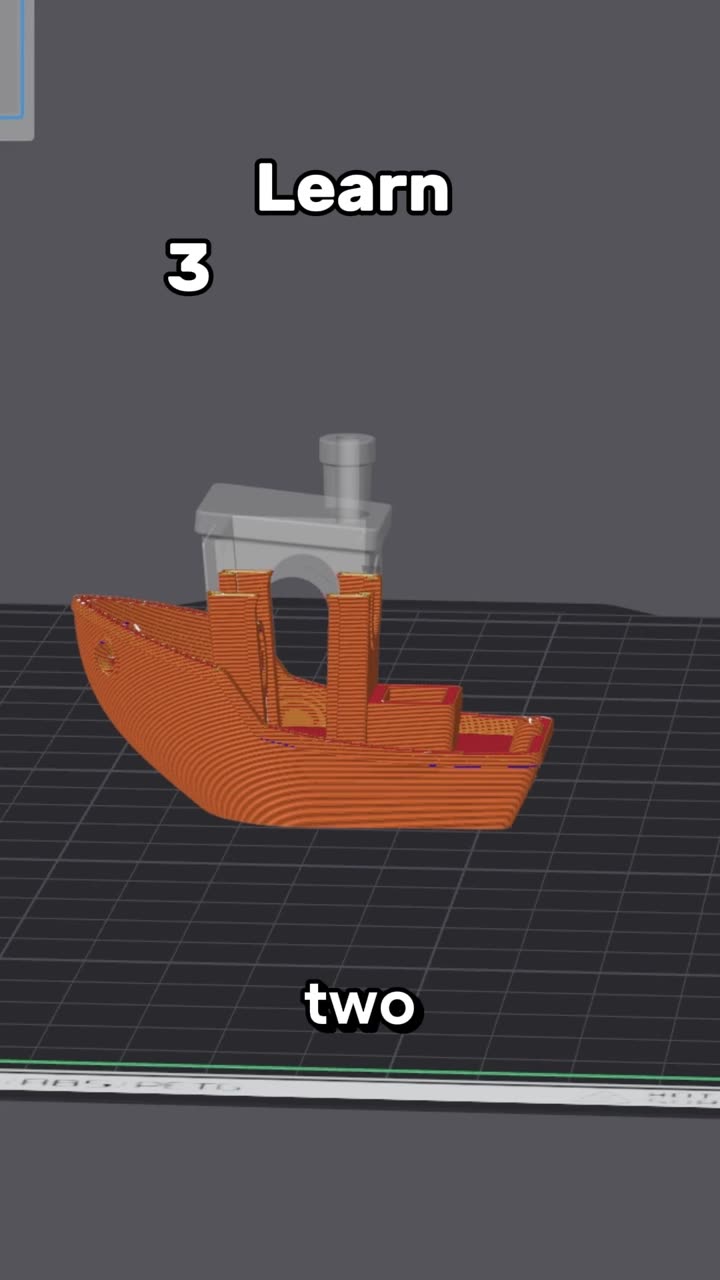
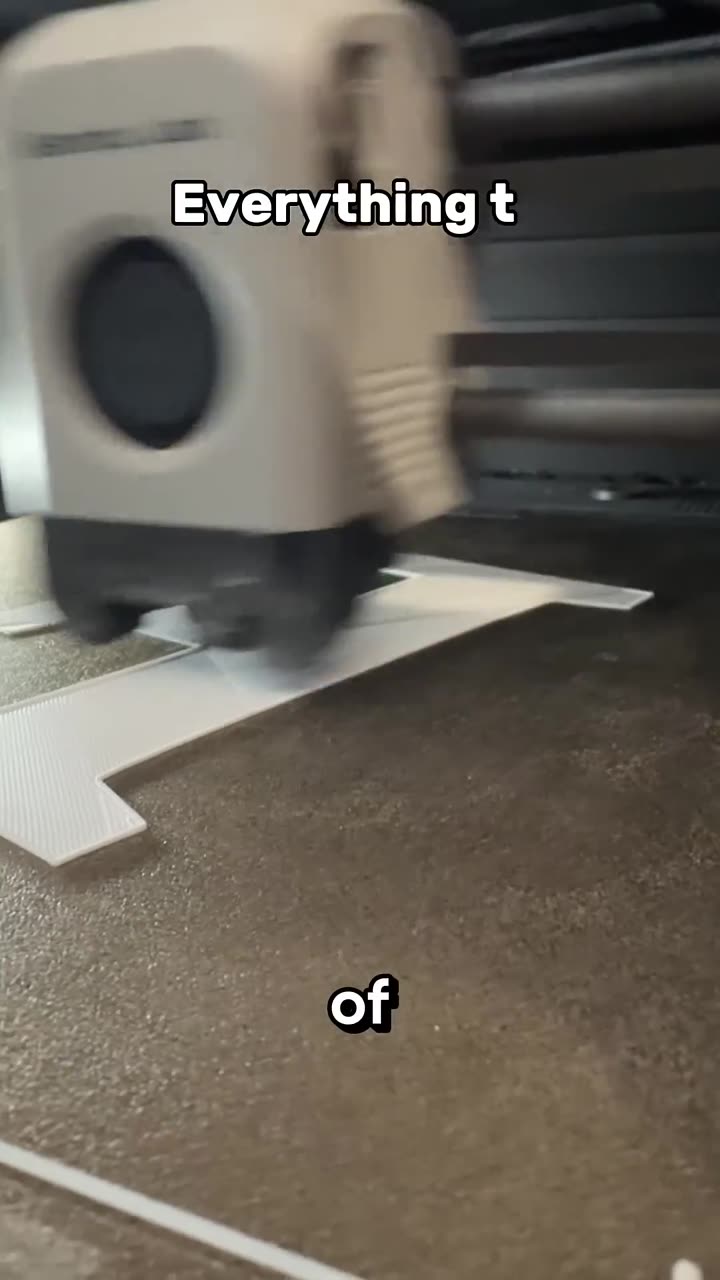
This is day 1, part 2 of PrintPal's learn 3D printing in 7 days series. After your first print, here's what the printer is actually doing. Most home printers are FDM (fused deposition modeling) printers: they melt plastic filament and draw your part one thin layer at a time.
The plastic: thermoplastic filament
Filament is a thermoplastic. It softens when heated and turns solid again when it cools, and you can repeat that over and over. Most filaments start to soften at around 50–70 °C, and they're printed much hotter than that so they flow through the nozzle.
From spool to part, step by step
- The extruder gear grips the filament and pushes it into the print head in very small, precise amounts.
- The hot nozzle melts it just enough to squeeze out as a thin line.
- The part-cooling fan on the side of the print head hardens each line almost instantly, so it keeps its shape.
- The heated bed keeps the first layer warm and sticky. Plastic shrinks as it cools, so a cold first layer would pull up and come loose. That's why the fan is usually off or low for the first layer.
- Layer by layer, each new layer sits on the one below it until the part is done.
| Part | What it does | If it goes wrong |
|---|---|---|
| Extruder gear | Pushes the exact amount of filament | Gaps or blobs (flow problems) |
| Nozzle / hotend | Melts the filament | Clogs, stringing |
| Cooling fan | Solidifies each line | Droopy overhangs, curled edges |
| Heated bed | Holds the first layer down | Warping, prints coming loose |
Why you can't print in mid-air
Every layer has to rest on something. A printer can't start a line in empty space, which is why steep overhangs and supports matter so much. Read how to fix 3D printed overhangs and how to stop supports sticking to your print. If prints won't stay down, see how to fix the first layer with one setting.
What's next
All of this is controlled from your slicer. Day 2 covers slicing, infill and PLA vs PETG.
FAQ
What does FDM mean?
Fused deposition modeling: melting plastic and laying it down in layers. Resin (SLA/MSLA) printers work differently, curing liquid resin with light.
Why is the bed heated?
So the first layer stays soft and sticky through the whole print instead of shrinking and peeling up.
Why is the cooling fan important?
It sets each line right after it's laid down, so overhangs, bridges and small details keep their shape.