About this video
Day 6, part 2: which filament should you use?
This is day 6, part 2 of PrintPal's learn 3D printing in 7 days series. Part 1 covered the filament settings. This one covers the five filaments you'll see the most and what each one is good for. The temperatures below are the starting ranges from PrintPal's filament finder. Your spool's label and your slicer's profile come first.
| Filament | Best for | Nozzle | Bed | Enclosure | Watch out for |
|---|---|---|---|---|---|
| PLA | Decor, toys, gifts, test prints | 200 to 220 °C | 55 to 65 °C | Not needed | Softens at about 55 °C |
| PETG | Useful parts, outdoors, near water or heat | 230 to 260 °C | 70 to 80 °C | Not needed | Soaks up water, strings more than PLA |
| TPU 95A | Phone cases, grips, bumpers, gaskets | 220 to 240 °C | 35 to 50 °C | Not needed | Must print slowly |
| ABS | Tough indoor parts that handle heat | 240 to 270 °C | 90 to 100 °C | Required | Warps, strong smell, yellows in sun |
| ASA | Outdoor and car parts | 240 to 270 °C | 90 to 100 °C | Required | Same enclosure and ventilation as ABS |
PLA: where almost everyone starts
PLA is the easiest and cheapest filament, at about $15 to $20 a spool. It barely warps, needs no enclosure and comes in every color and finish, which makes it great for decorations and test prints. Its weak spot is heat. PLA softens at about 55 °C, and a car parked in the sun gets hotter than that, so don't leave PLA parts in a hot car or a sunny window. On an enclosed printer, open the door or lid so the hotend doesn't clog from heat creep. More in the PLA guide.
PETG: stronger and better in heat and sun
PETG softens at around 70 °C, bends a little before it breaks, and lasts a few years outdoors, which makes it the everyday choice for functional parts like hooks, clips, brackets and planters. It soaks up water from the air, so keep it dry, and it strings more than PLA. It sticks so hard to smooth PEI that it can tear the plate, so use a textured plate or a thin layer of glue stick. Day 2 compares it with PLA, and the PETG guide covers settings.
TPU: the filament that bends
TPU is soft like rubber. The common 95A grade feels like a firm phone case, so it's used for cases, grips, bumpers and gaskets. You have to print it slowly, or the soft filament buckles and gets stuck on its way to the nozzle. Most automatic spool changers, including the Bambu Lab AMS and Creality CFS, can't feed it, so print from the external spool holder. See how to 3D print TPU perfectly.
ABS and ASA: tough and heat resistant
ABS is very tough and handles heat, holding its shape to around 90 to 100 °C. It shrinks as it cools, so on an open printer parts warp, crack between layers or pop off the bed. It needs an enclosed printer to keep the air around the print warm. It also gives off more fumes than PLA, so print it in a ventilated room. ABS yellows and turns brittle in sunlight.
ASA prints like ABS, but the sun doesn't damage it, so it's the pick for parts that live outside and for car parts in direct sun. Run the part cooling fan low for both (day 6, part 1 explains why). More in the ABS and ASA guide.
Which one to start with
If you're not sure, start with PLA. Move to PETG when a part needs to be stronger or has to handle heat or water. Save ABS and ASA for when you have an enclosed printer and a part that really needs them.
Keep every spool dry
Whichever filament you pick, keep it in a dry box or a sealed bag, because wet filament prints rough and weak, with popping and strings. PETG and TPU pick up water fastest. If a spool has already gone wet, the filament drying calculator gives the temperature and time to dry it.
What's next
Next up is day 7. To pick a filament for a specific project, answer five questions in the filament finder and get the filament type, starter settings and spools to buy. Catch up on day 1, how a 3D printer works, day 2, day 3, day 3, part 2, day 4, day 4, part 2, day 5, day 5, part 2 and day 6, part 1.
FAQ
What is the best filament for beginners?
PLA. It prints at low temperatures, barely warps, needs no enclosure and is the cheapest filament to buy.
PLA vs PETG: which should I use?
Use PLA for decor, toys and anything that stays indoors. Use PETG for useful parts that take stress, get wet or sit somewhere warm, since it softens at around 70 °C instead of about 55 °C.
Do I need an enclosure for ABS or ASA?
Yes. Both shrink as they cool, so they warp and crack on an open printer. PLA, PETG and TPU don't need one.
What filament is best for outdoor parts?
ASA, if you have an enclosed printer. On an open printer, PETG lasts a few years outside.
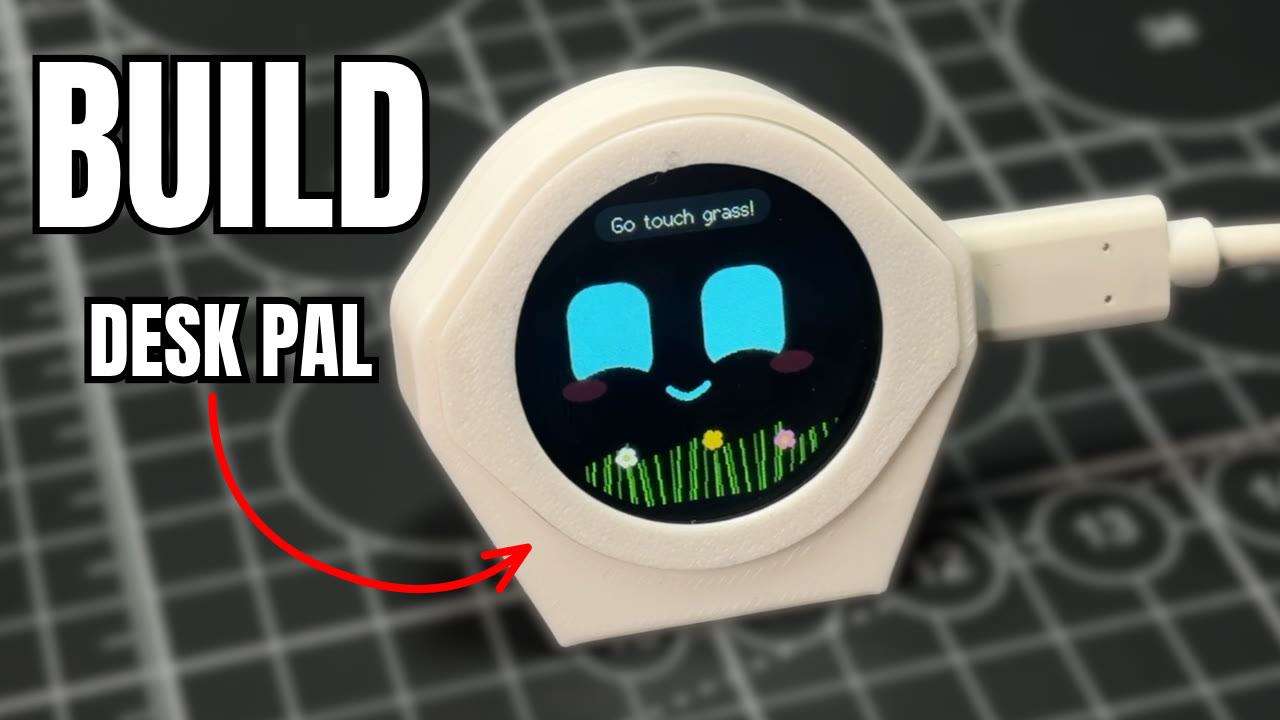
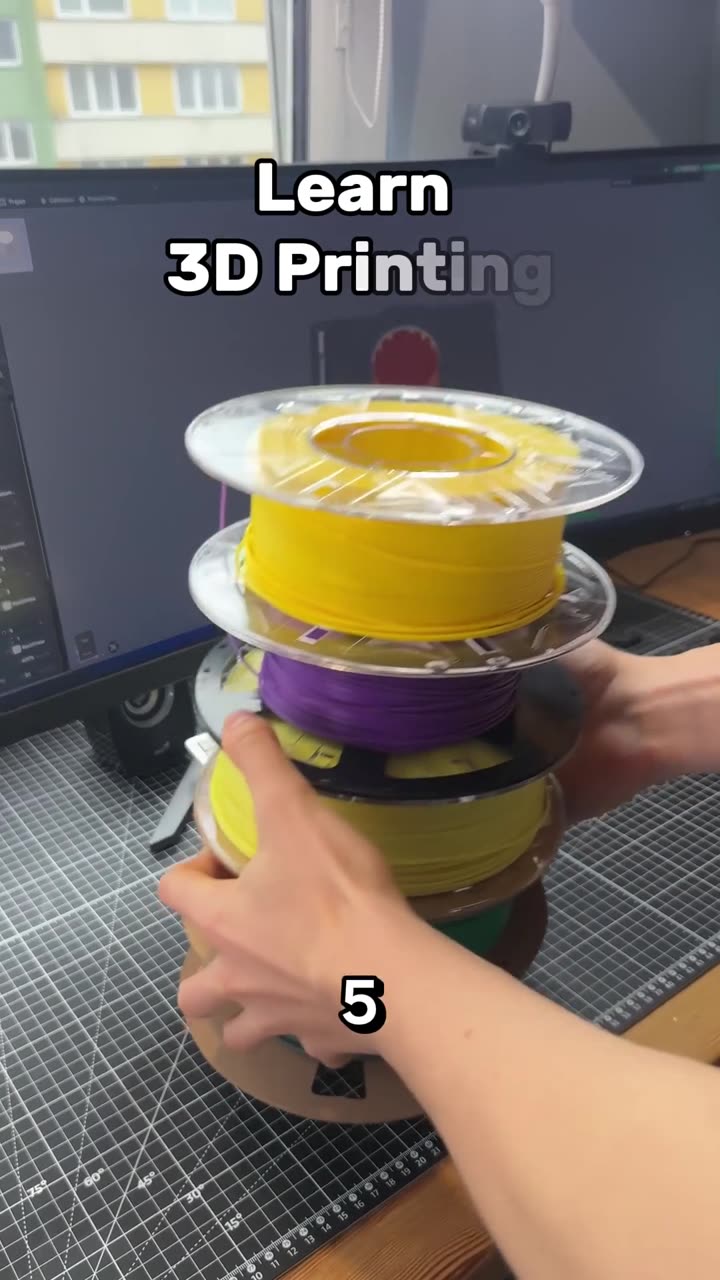
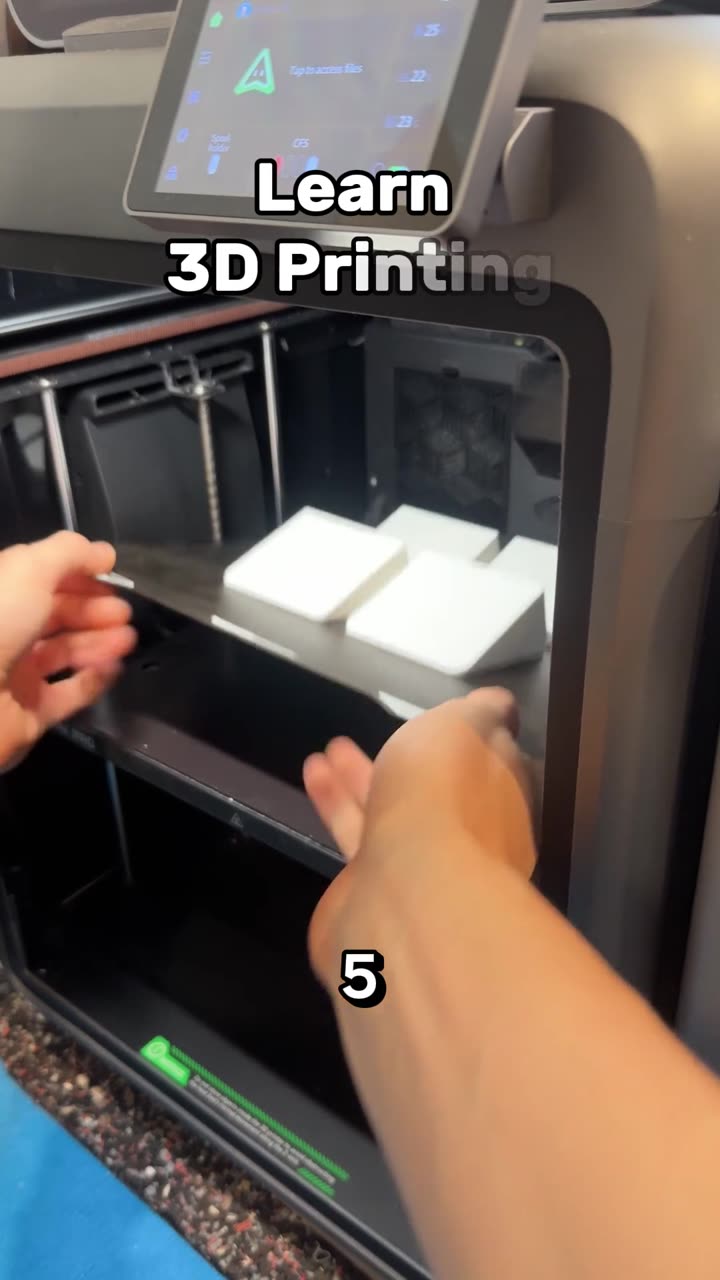
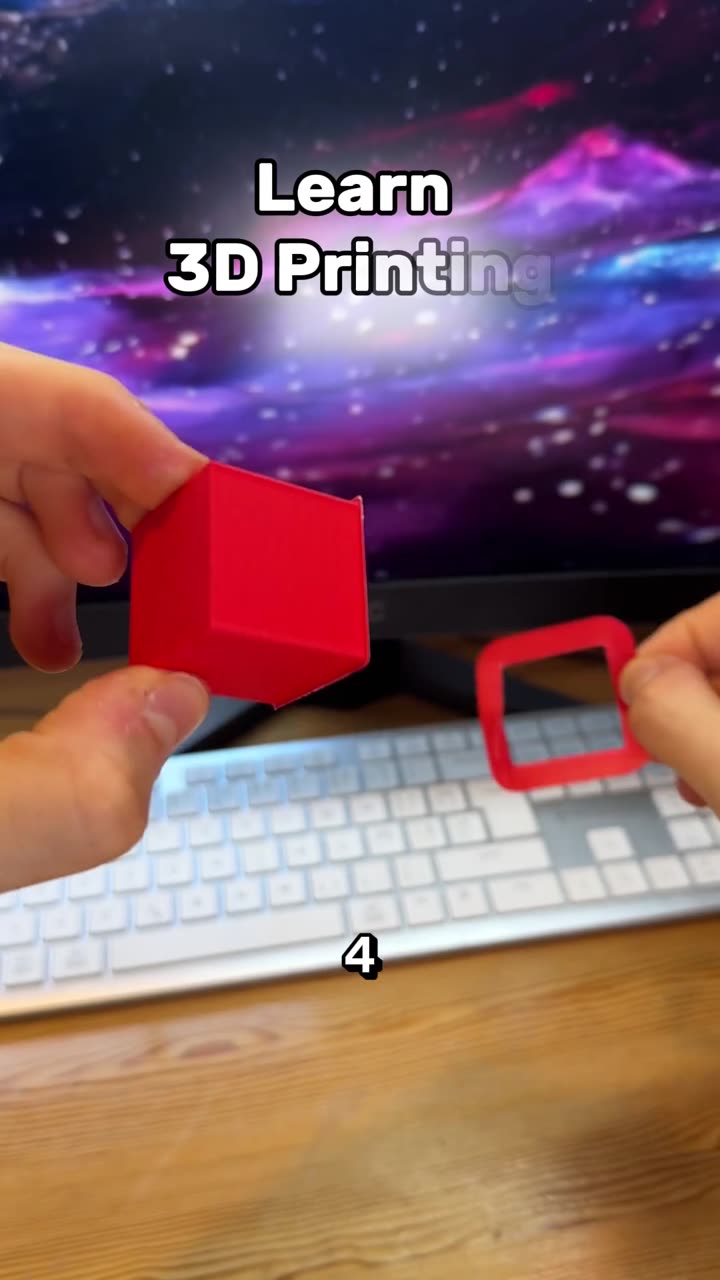
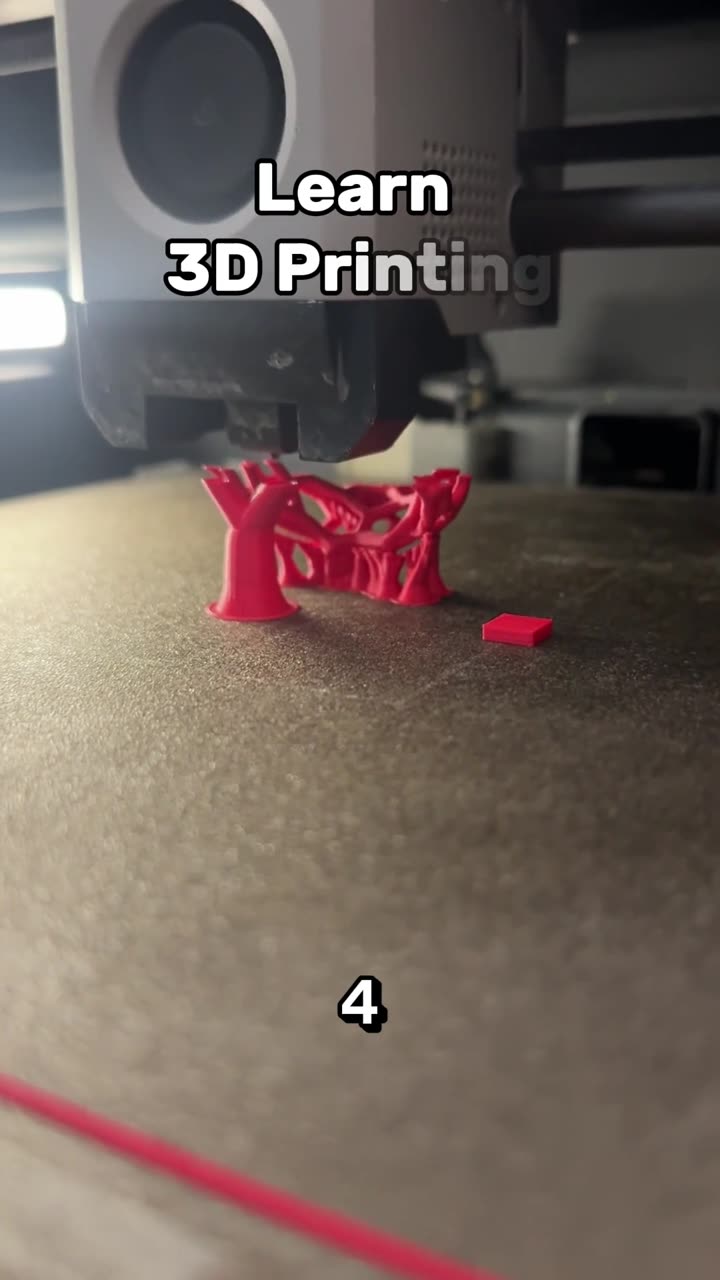
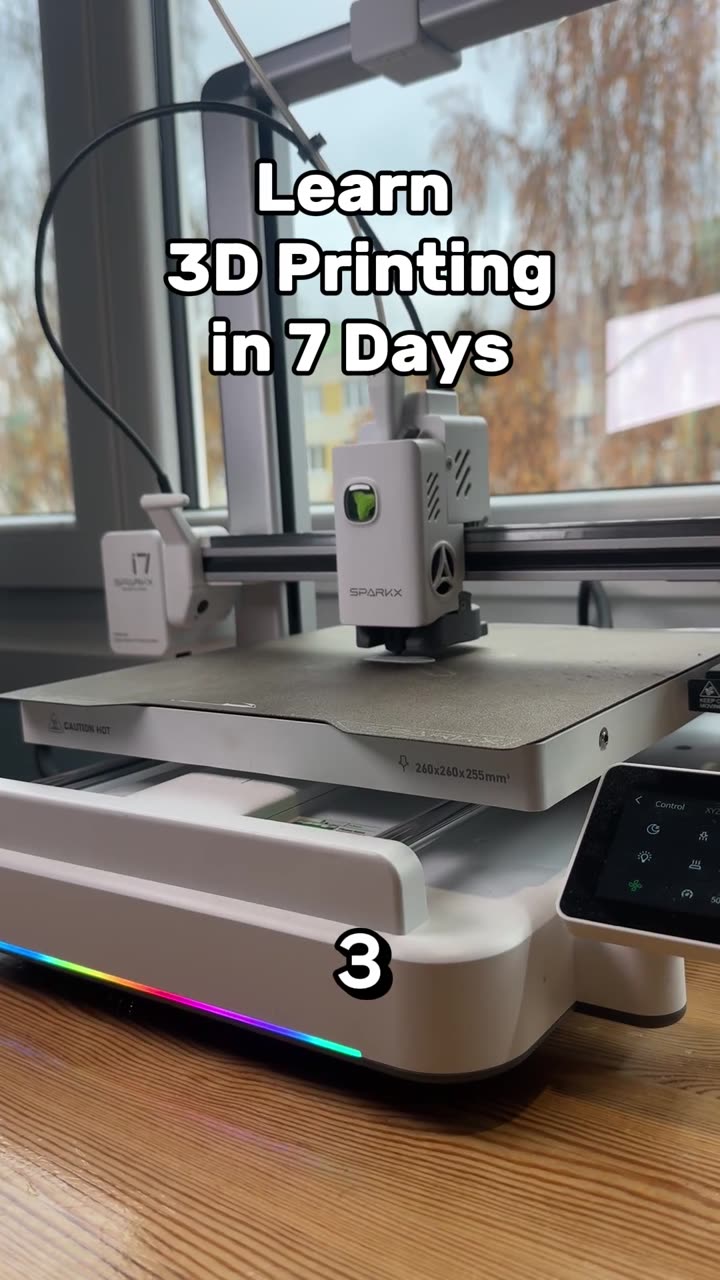
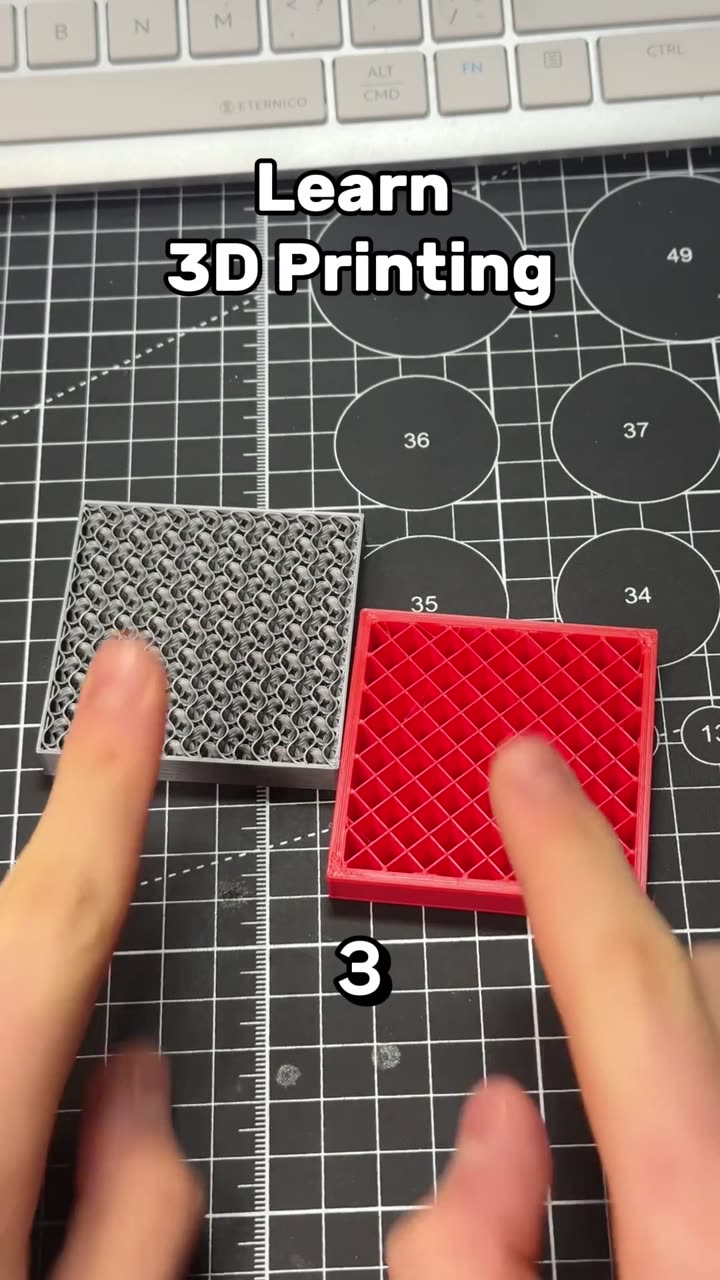
Learn 3D printing in 7 days, day 6: filament settings explained
Autoplay paused while you read — scroll back up to continue
Learn 3D printing in 7 days, day 6, part 2: PLA, PETG, TPU, ABS and ASA
Day 6, part 2 of learning 3D printing in 7 days: the five filaments you'll see most, what PLA, PETG, TPU, ABS and ASA are each good for, and why every spool should stay dry.
Featured in this video